
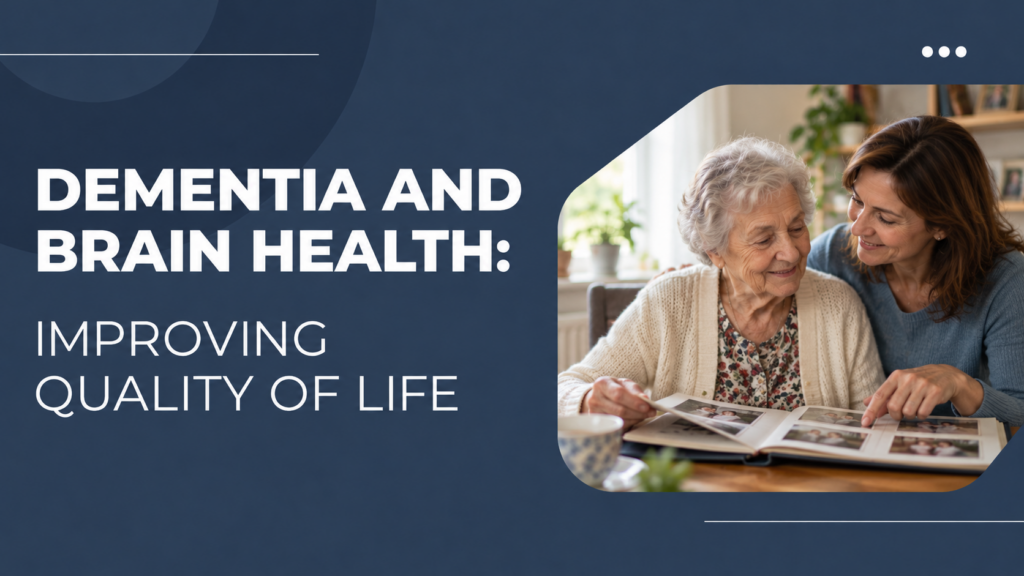
Dementia changes a lot of things. It changes memory, thinking, and daily routines. It can change how a person speaks, feels, and sees the world. It also changes life for the family and friends who love them.
When people hear the word dementia, they often think only about what is lost. But a diagnosis does not erase a person. A person living with dementia still has feelings, history, preferences, humor, and the need to feel safe and loved. Quality of life still matters, and it can still be improved at every stage.
In this blog, we explain dementia and brain health in simple words. You will learn what dementia is, what happens in the brain, why emotions, sleep, and connection matter so much, and how families can care for themselves too. You will also see how The Brain Performance Center® in Dallas, Texas approaches brain health with care and honesty.
What Is Dementia?
Dementia is not one disease. It is a word for a group of symptoms that affect memory, thinking, and daily life. These changes are strong enough to get in the way of normal activities, like managing money, finding the way home, or following a conversation.
Dementia Is Not a Normal Part of Aging
Many people forget a name or lose their keys as they get older. This is common. Dementia is different. It involves changes that grow over time and begin to affect independence. If you are worried about memory changes in yourself or someone you love, it is wise to speak with a doctor, and not to simply assume it is “just old age.”
Common Types of Dementia
There are several types. The most common are:
- Alzheimer’s disease, the most common cause of dementia
- Vascular dementia, linked to problems with blood flow to the brain
- Lewy body dementia, which can affect thinking, movement, sleep, and alertness
- Frontotemporal dementia, which often affects behavior, personality, or language first
Some people have more than one type at the same time. Each type can look different, which is why a careful medical evaluation matters.
Early Signs to Notice
Early signs can include trouble remembering recent events, repeating questions, losing track of time, difficulty finding words, trouble with planning or familiar tasks, poor judgment, and changes in mood or personality. Having one of these signs does not mean a person has dementia, since many other causes exist. But it is a good reason to get checked.
Mild Cognitive Impairment
Some people have what doctors call mild cognitive impairment, or MCI. This means thinking or memory changes are noticeable but do not yet stop daily life. For some people, MCI stays stable. For others, it may progress to dementia. Early evaluation can help families understand what is happening and plan.
What Happens in the Brain
Your brain has billions of nerve cells, called neurons. They send messages to each other all day and night. These messages allow you to remember, speak, move, feel, and decide.
How Dementia Affects Brain Cells
In dementia, nerve cells slowly lose their ability to work well, and some are lost. The cause depends on the type. In Alzheimer’s disease, for example, abnormal protein buildup is linked to damage in brain cells. In vascular dementia, reduced blood flow harms brain tissue.
Why Symptoms Differ From Person to Person
Different parts of the brain handle different jobs. Memory, language, planning, balance, and emotion all rely on different networks. Which networks are affected first shapes what symptoms appear. This is why two people with dementia can look very different.
What We Know and What We Do Not
Researchers are working hard to understand dementia better. Today, there is no cure for most types. Some medicines may help symptoms for some people, and doctors can guide you on that. This blog does not claim to cure or reverse dementia. Our focus is on supporting brain health, emotional well-being, and quality of life alongside good medical care.
Quality of Life Is the Heart of Dementia Care
Quality of life means feeling safe, valued, comfortable, and connected. It means having moments of joy, dignity, and meaning, even when memory fades.
The Person Is Still There
It can be tempting to focus only on symptoms and tasks. But the person behind the diagnosis still has a lifetime of stories, tastes, and relationships. Many people with dementia remain deeply responsive to music, touch, tone of voice, and familiar faces long after they lose other abilities.
Dignity Matters
Being talked about as if you are not in the room, being corrected again and again, or being treated like a child can harm a person’s sense of worth. Respect, patience, and choice, even in small things, protect dignity.
What Quality of Life Can Include
For a person with dementia, a good day may include feeling calm, enjoying a favorite song, sharing a meal, spending time outdoors, feeling useful, and being near people who care. These moments are not small. They are the heart of a meaningful life.
The Emotional Side of Dementia
Dementia is not only about memory. It strongly affects emotions, for both the person and the family.
Anxiety and Fear
Imagine feeling lost in a place that should feel familiar, or not knowing why people around you seem upset. Anxiety is common in dementia. It can show up as restlessness, worry, clinging to a caregiver, or fear of being alone. Anxiety can feel like constant worry and being overwhelmed. It often reflects an overactive nervous system, the fight, flight, or freeze response.
Low Mood and Depression
Depression is also common. It can show up as emotional heaviness, withdrawal, loss of interest, or running on empty. In dementia, it can be hard to spot, because it may look like the illness itself. If someone seems sad, tearful, or has pulled away from things they once enjoyed, it is worth mentioning to their doctor. Low mood is not something a person should simply have to live with.
Apathy and Withdrawal
Some people lose motivation or seem uninterested in what used to matter. This is often a symptom of brain changes, not laziness or stubbornness.
Agitation and Behavior Changes
Agitation, anger, pacing, or sudden mood changes can be upsetting for families. These behaviors are often a form of communication. The person may be in pain, tired, overstimulated, confused, hungry, or scared, and may not have the words to say so.
Understanding Behavior as Communication
When a person with dementia acts in a way that seems difficult, it helps to ask, “What might they be feeling or needing right now?” This question often leads to calmer, kinder responses than asking, “Why are they behaving this way?”
Sleep and the Dementia Brain
Sleep and brain health are closely linked, and dementia often disrupts sleep.
Why Sleep Matters
During sleep, the brain restores itself, stores memories, and balances mood. Poor sleep can make confusion, anxiety, and irritability worse for anyone. For a person with dementia, it can make the next day much harder.
Common Sleep Changes in Dementia
Many people with dementia sleep poorly at night and doze during the day. Some become restless or more confused in the late afternoon and evening, which is sometimes called “sundowning.” These changes are often caused by changes in the brain’s body clock.
Sleep Affects Caregivers Too
When a loved one is awake at night, family members lose sleep too. Over time, this can wear down caregivers’ health, patience, and mood. Sleep problems deserve attention for both the person with dementia and the caregiver, and a doctor can help look at possible causes, such as pain, medicines, or other health problems.
Brain Health Factors That Support Well-Being
Researchers have found that certain lifestyle and health factors are linked to better brain health as we age. These factors are most often discussed in relation to reducing risk, and they may also support well-being once dementia is present. They do not cure dementia, and no one should feel blamed for a diagnosis. But they are worth understanding.
Physical Movement
Regular, safe movement supports blood flow, mood, sleep, and strength. For people with dementia, gentle activity like walking, stretching, or dancing can also bring pleasure and a sense of routine. It may also lower the risk of falls by keeping muscles and balance stronger.
Heart and Blood Vessel Health
The brain depends on healthy blood flow. Conditions such as high blood pressure, high cholesterol, and diabetes can affect the brain’s blood vessels. Good medical care for these conditions is part of good brain care.
Hearing and Vision
Untreated hearing loss is linked to higher dementia risk and can add to isolation and confusion. Clear sight and hearing help a person stay connected to the world. Hearing aids and updated glasses can make daily life easier and less stressful.
Social Connection
Loneliness is hard on the brain and the heart. Time with other people, whether family, friends, or community groups, supports mood and engagement. For a person with dementia, short, calm visits with familiar people can be more comfortable than large, loud gatherings.
Mentally and Emotionally Meaningful Activity
Activities that bring meaning, like music, art, gardening, cooking, looking at old photos, or simple tasks that feel useful, can lift mood and give a sense of purpose. The goal is enjoyment and connection, not perfect performance.
Nutrition and Hydration
The brain needs steady fuel and fluids. Dehydration and poor nutrition can worsen confusion and tiredness. Eating patterns rich in vegetables, fruits, whole grains, and healthy fats are often recommended for overall brain and heart health, and a doctor or dietitian can give guidance for individual needs.
Mood and Stress
Long-term stress and untreated depression affect the brain. Caring for emotional health is part of caring for brain health, at every stage.
Connection and Emotional Safety
One of the most powerful parts of dementia care has nothing to do with memory tests or medicine. It is the feeling of safety that comes from other people.
Safety Comes Before Skills
When the brain senses danger or confusion, it moves into survival mode. In this state, thinking becomes even harder. When a person feels safe, calm, and cared for, the nervous system can settle. A calm voice, a gentle touch, a familiar face, and a steady presence can help.
Your Calm Can Help Their Calm
Brain science shows that one person’s calm can help another person’s nervous system settle. This is called co-regulation. For a family member, taking a slow breath before speaking can change the tone of a tough moment. You do not have to be perfect. A little steadiness goes a long way.
Meeting the Person in Their Reality
Arguing about facts, like what year it is or whether a loved one has passed away, can bring fresh pain each time. Many care professionals encourage families to respond to the feeling behind the words. If a person says they want to go home, they may be feeling unsafe or uneasy, and reassurance can mean more than correction.
Small Moments Matter
A shared song, a hand to hold, a favorite snack, or time in the sun can create moments of peace. These moments are not distractions from care. They are care.
Communication Changes
As dementia progresses, communication changes. This can be one of the hardest parts for families.
Words May Fade, Feelings Do Not
A person may struggle to find words, lose track of a sentence, or speak less over time. But tone of voice, facial expressions, and touch can still carry meaning. Many people respond to the emotion in a room more than to the words said.
Patience Is a Form of Respect
Giving a person time to answer, speaking simply, and facing them when you talk can reduce stress on both sides. Rushing or finishing their sentences can make them feel pressured.
Listening Beyond Words
Sometimes the most important message is not in the words. A restless walk, a sigh, or a worried face may say, “I need comfort,” or “I am scared.” Learning to notice these signs is a skill that grows with time.
Caring for the Caregiver
Families who care for someone with dementia often carry a very heavy load. Many are also working, raising children, or managing their own health.
The Hidden Weight of Caregiving
Caregivers may feel exhausted, anxious, sad, guilty, or alone. Grief is common too, because they are losing parts of someone they love while that person is still here. This is sometimes called ambiguous loss.
Caregiver Stress Is a Brain Issue Too
Long-term stress keeps the body in high alert. It can affect sleep, mood, focus, and health. Caregivers often forget their own needs, but a worn-out caregiver cannot give their best care.
You Do Not Have to Do It Alone
Support groups, respite care, family help, and professional services can lighten the load. Asking for help is not a failure. It is part of sustainable care.
Signs a Caregiver Needs Support
It may be time to seek help if a caregiver notices constant exhaustion, trouble sleeping, frequent illness, strong irritability, withdrawal from friends, hopelessness, or using alcohol or other substances to cope.
Where to Find Dementia-Specific Help
In the United States, the Alzheimer’s Association runs a free 24/7 Helpline at 1-800-272-3900. It offers support, information, and local resources for people living with dementia and their families. If you or someone you know is in crisis, call or text 988, or call 911 in an emergency.
Why an Early Evaluation Matters
Many families wait to seek help because they fear the answer. But early evaluation has real benefits.
Other Causes May Be Treatable
Memory and thinking problems can come from causes other than dementia, such as thyroid problems, vitamin deficiencies, infections, medicine side effects, sleep problems, depression, or hearing loss. Some of these can be treated. A proper medical evaluation helps sort this out.
Time to Plan
An early diagnosis gives families time to talk about wishes, plan care, handle legal and financial matters, and make decisions together while the person can still take part.
Access to Support
Knowing what is happening opens the door to medicines, services, and community resources. It also helps families understand and respond with more patience.
Hope, Neuroplasticity, and Realistic Expectations
Brain science offers real reasons for hope, as long as we stay honest about what is known.
The Brain Can Still Adapt
Neuroplasticity is the brain’s ability to form new connections and adapt through experience. Researchers have shown that the brain can keep adapting through life. This does not mean dementia can be reversed. But it does suggest that supportive environments, meaningful activity, social connection, and emotional care may help the brain work as well as it can.
What Research Says About Brain-Based Approaches
Researchers are studying many approaches to support thinking and memory, including cognitive training and neurofeedback. Some early, small studies of neurofeedback in people with mild cognitive impairment have reported memory improvements. These studies are promising, but they are early and small, and more research is needed. It is important not to treat them as proof of a cure or as a replacement for medical care.
A Balanced View
The most helpful view holds two ideas together. Dementia is a serious condition that, for most types, cannot be cured. And there is still a great deal that can be done to ease distress, support the brain, and improve quality of life.
How The Brain Performance Center Approaches Brain Health
The Brain Performance Center® is based in Dallas, Texas. We offer personalized and innovative care that helps people improve focus, mood, and overall quality of life. We believe that caring for the brain is Brain Capital®, an investment in how you live, feel, and connect at every age. Both in-person and virtual appointments are available. Selected insurance coverage is also available for in-person and virtual counseling sessions.
We want to be clear and honest. We do not claim to cure dementia, and our services do not replace medical care from a physician, neurologist, or other specialist. Instead, we focus on areas where brain-based support may help people and families feel better and function as well as possible. Our team can talk with you about whether our services are a good fit for your situation, and they encourage working alongside your medical providers.
Support for Anxiety, Low Mood, and Stress
Anxiety and low mood can be heavy for people living with memory changes, and for the people who care for them. Our team offers brain-based support aimed at helping the nervous system settle and mood improve.
Neurofeedback and LENS
Neurofeedback is a brain-based form of biofeedback that helps regulate how your brain functions. Stress, trauma, injury, and genetics can disrupt healthy brain patterns, which can lead to challenges with mood, focus, and decision-making. LENS, the Low Energy Neurofeedback System, is a gentle form of neurofeedback that uses a small sensor to measure brainwave activity and send a brief, low-energy signal, helping the brain self-regulate, organize, and calm down. These approaches may support mood, anxiety, sleep, energy, and focus. Research on neurofeedback for age-related memory concerns is still early, and results vary from person to person.
Cognitive Behavioral Therapy (CBT)
CBT is an evidence-based approach that helps you notice and change the thought patterns that shape your feelings and actions. It can help people in the early stages of memory change who feel anxious or discouraged. It can also help caregivers who carry thoughts such as “I should be doing more” or “I am failing them.”
Executive Function and Cognitive Skills
Executive function includes focus, planning, memory, and flexible thinking. For people with early concerns about memory and focus, a personalized assessment can help clarify strengths and challenges, and guide support.
Support for Sleep
Sleep problems affect both brain health and daily life. Our team provides brain-based support for insomnia and sleep difficulties, which can help people and caregivers rest better.
Support for Caregivers and Families
Caregivers need care too. Stress, worry, grief, and exhaustion are real, and they deserve attention. Our team can help caregivers build calmer, more resilient nervous systems so they can continue to care without losing themselves.
Personalized Plans
Every brain and every family is different. Our team builds plans around your goals and needs, and adjusts them as things change.
Meet Dr. Leigh Richardson and the Team
The Brain Performance Center® is led by Dr. Leigh Richardson. She is a frequent speaker and guest on national radio and television, and the author of The Depleted Brain. She is known for explaining brain science in a clear, warm, and practical way. You can learn more about the clinicians on the Meet the Team page.
Frequently Asked Questions
Is dementia the same as Alzheimer’s disease?
No. Dementia is a general term for a group of symptoms. Alzheimer’s disease is the most common cause of dementia, but there are other types, such as vascular, Lewy body, and frontotemporal dementia.
Can dementia be cured?
For most types, there is no cure today. Some medicines may help with symptoms for some people, and good care can improve comfort and quality of life. Researchers continue to study new treatments.
Can lifestyle changes prevent dementia?
Some lifestyle and health factors are linked to lower risk, including physical activity, heart health, hearing care, social connection, and managing mood and sleep. They do not guarantee prevention, and no one should blame themselves or a loved one for a diagnosis.
Why does my loved one seem more confused in the evening?
Many people with dementia become more restless or confused later in the day, often called sundowning. It may be linked to tiredness, changes in the body clock, or overstimulation. A doctor can look for other causes and suggest ways to help.
Can neurofeedback help with dementia?
Neurofeedback is not a cure for dementia. Some small, early studies in people with mild cognitive impairment suggest possible memory benefits, but more research is needed. Neurofeedback may also support mood, anxiety, sleep, and focus for some people. Always talk with your medical providers first.
How can I support someone with dementia without arguing?
Respond to the feeling behind their words. Stay calm, speak softly, and offer reassurance. Correcting facts often causes distress, while comfort and connection help a person feel safe.
Where can families find support?
In the United States, the Alzheimer’s Association has a free 24/7 Helpline at 1-800-272-3900. Local support groups, your doctor, and community services can also help.
Do you offer online sessions?
Yes. The Brain Performance Center® offers both in-person and virtual appointments.
Final Thoughts: Life With Dementia Is Still Life
Dementia changes a great deal, but it does not take away a person’s worth. Every person living with dementia deserves dignity, comfort, and moments of joy. Every family member walking beside them deserves understanding and support.
Quality of life grows from simple, human things: feeling safe, feeling heard, feeling connected, and having someone who stays calm and present. Brain health care, medical care, and emotional care all play a part, and none of them has to be done alone.
If you or someone you love is navigating memory changes, or if caregiving is wearing you down, support is available. The team at The Brain Performance Center® is ready to help you enhance your brain daily®.